
Volunteer Leadership
Delegate to Volunteers With Scope and Support
Delegate ordinary work by defining the outcome, authority, boundaries, resources, support, and checkpoints, then checking that the volunteer can freely…
Volunteer leadership works when expectations are explicit, choices are real, and appreciation is matched by usable support. These guides help small groups turn goodwill into roles people can perform without guilt, guesswork, or endless informal obligation.
Delegate ordinary work by defining the outcome, authority, boundaries, resources, support, and checkpoints, then checking that the volunteer can freely…

Facilitate volunteer meetings by defining the outcome, sending a labeled agenda, naming the decision method, protecting participation, and recording each…

Prevent volunteer burnout by mapping the actual workload, cutting low-value commitments, setting explicit role limits, splitting oversized jobs, and…
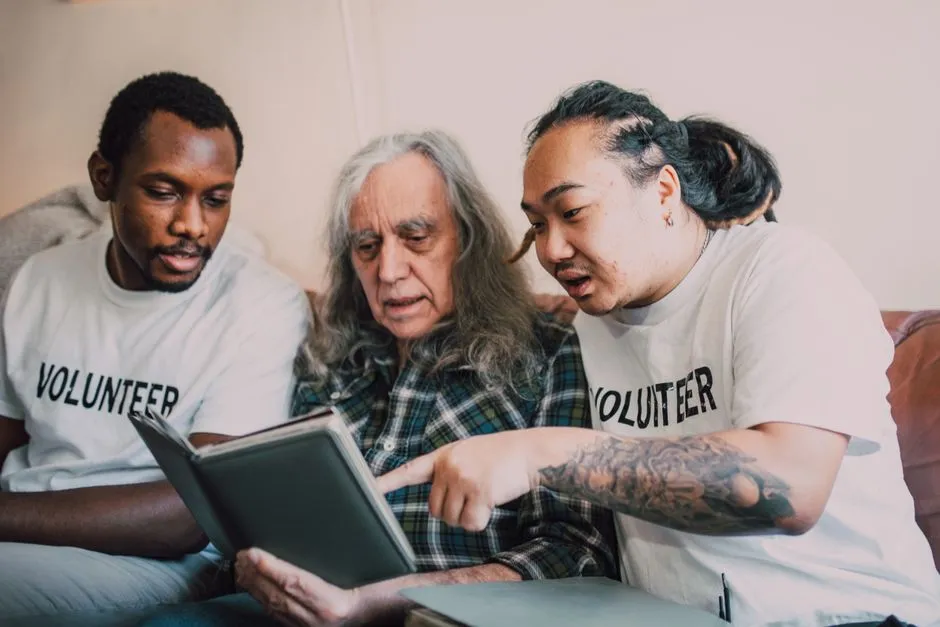
Recognize volunteers in the way each person prefers, describe the contribution accurately, obtain publication consent, and confirm any financial or formal…
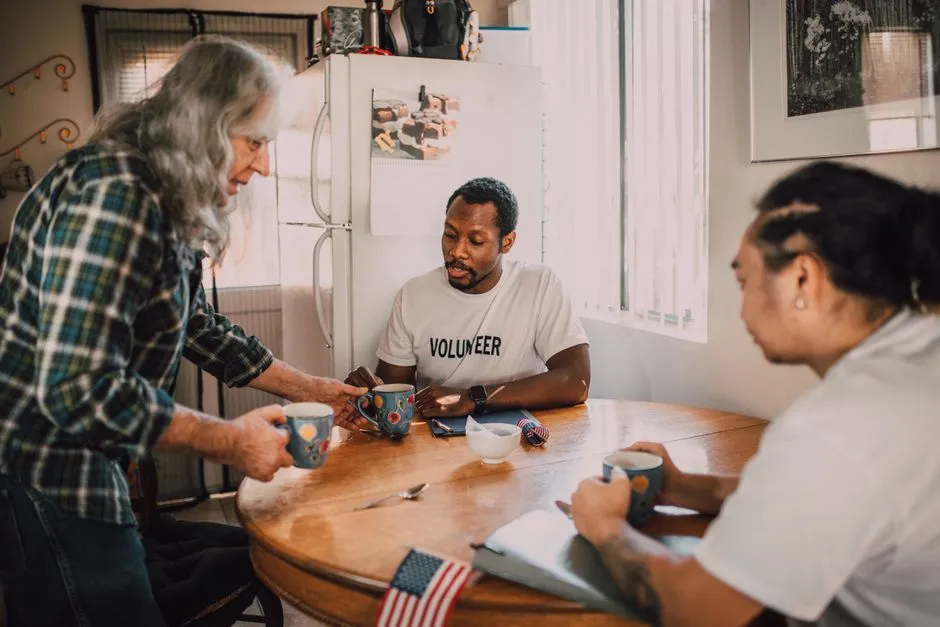
Recruit volunteers by stating the task, time, location, support, costs, authority, screening, and exit process, then asking people to opt in without…

Use separate clarification and a voluntary structured conversation only for ordinary interpersonal or workflow disagreements; never use mediation to…

Retain volunteers through accurate roles, bounded workloads, practical support, useful feedback, and respectful exits without guilt or pressure.

Give ordinary volunteer feedback privately, describe the observed event, expectation, and effect, hear the person's perspective, and agree on action,…
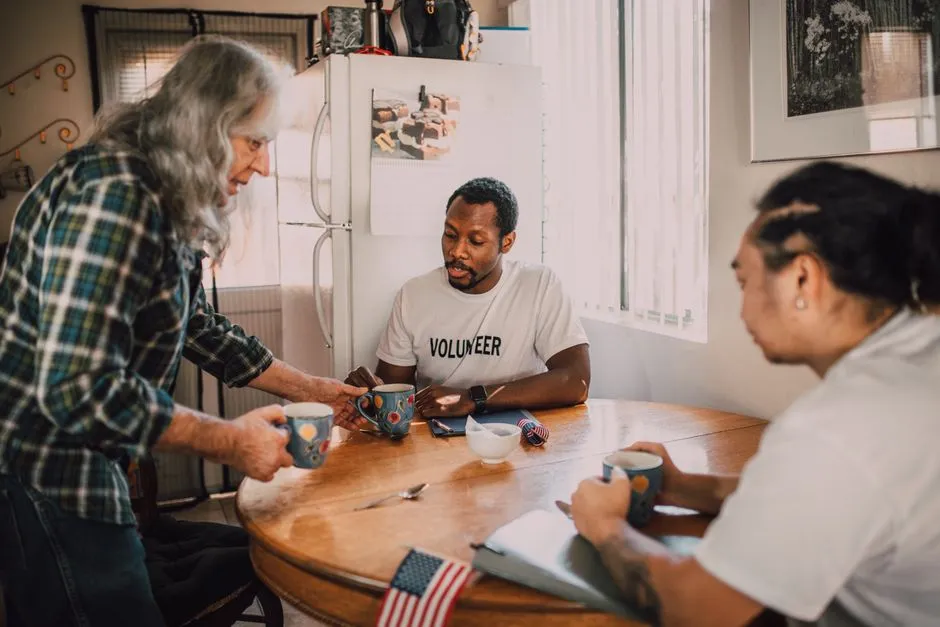
Onboard volunteers by confirming tasks, boundaries, supervision, checks, training, safety, privacy, access, expenses, and a clear route to pause or leave.

A useful volunteer role description states the purpose, ordinary tasks, boundaries, time, location, supervisor, authority, training, checks, expenses,…