Volunteer Onboarding Checklist for a Clear Start
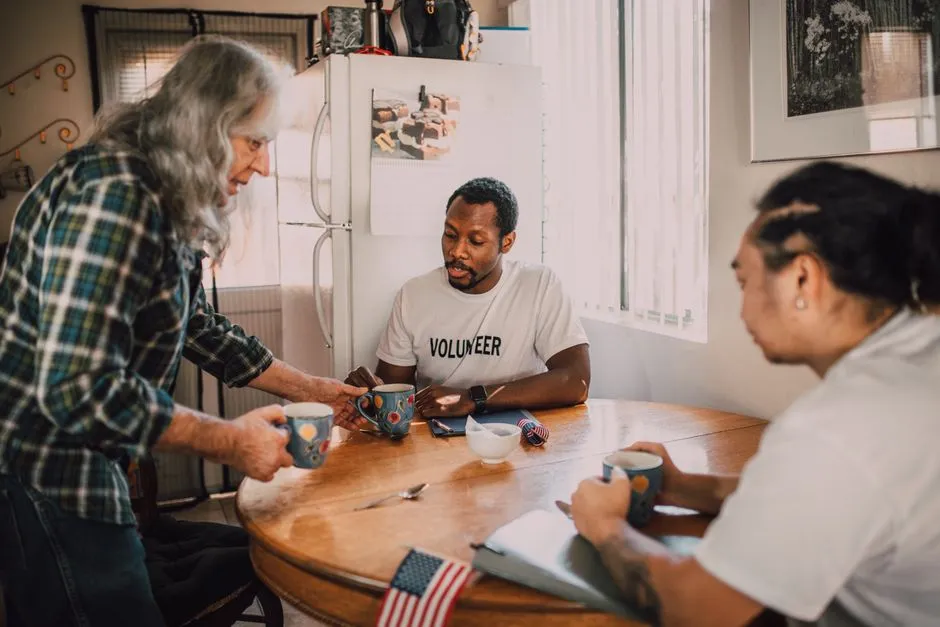
Turn a welcome into safe, usable information
A volunteer onboarding checklist should confirm the role, named supervisor, schedule, boundaries, training, communication route, expenses, privacy, safety, safeguarding, and exit process before independent work begins. Give the volunteer written information and a chance to ask questions. Enthusiasm does not replace documented access, safety, safeguarding, privacy, and escalation instructions.
Safeguarding concerns must use an actionable statutory route for the affected person's location. Do not investigate, test credibility, or decide internally whether a concern warrants a report. Contact local emergency services if anyone is in immediate danger. In England, use GOV.UK's child-abuse reporting service for a child or young person. For an adult who may have care and support needs and be at risk of abuse or neglect, use GOV.UK's local-council finder, open that council's official website, and find its adult-safeguarding report form or phone number. Outside England, search the official government website for "report child abuse" or "adult safeguarding report concern" plus the person's location, then use the published statutory form or phone number. An internal notice may occur in parallel but must not delay external reporting.
Confirm the role and relationship
Review the current role description together. Confirm tasks, limits, location, expected time, decision authority, supervision, and any activities the volunteer must not perform.
Explain how the organization defines the volunteer relationship and obtain qualified local advice where employment status, benefits, immigration, minors, expenses, or regulated activities may be involved. Do not rely on a label alone to determine legal duties.
Complete required checks before access
Identify training, references, licenses, background checks, health requirements, safeguarding steps, insurance confirmations, or confidentiality agreements that genuinely apply. Use lawful, role-specific processes and restrict access until required checks are complete.
Do not improvise screening questions or store sensitive results in an ordinary shared folder. Qualified local safeguarding, privacy, and legal guidance should define the process.
Explain safety and incident routes
Walk through the actual site or task, including exits, restricted areas, equipment boundaries, accessibility arrangements, emergency contacts, and incident reporting. Route technical, medical, structural, electrical, food, transport, and crowd responsibilities to competent authorized people. Safeguarding concerns must go directly through the applicable official statutory reporting form or phone route for the affected person's location.
Volunteers should know when to stop work and escalate. Never present an injury, near miss, harassment report, or safeguarding concern as an inconvenience to the schedule.
Set communication and data access
Provide the approved communication channel, response expectations, contact person, and urgent escalation route. Share only the personal data and system access required for the role. Explain secure storage, retention, deletion, and what must never be copied to personal accounts or devices.
Good volunteer data privacy helps keep convenience from becoming uncontrolled access.
Demonstrate the work
Show the task, let the volunteer observe, then supervise a first attempt where appropriate. Use a written checklist for critical procedures. Confirm competence rather than assuming a friendly nod means the process was understood.
For delegated work, define scope and support before transferring ownership.
Cover expenses and practical support
Explain what the organization provides, which expenses may be reimbursed, the approval process, required records, timing, and whom to contact about access needs. Do not promise repayment, insurance, transport, meals, or equipment unless the arrangement is verified and documented.
Close with a two-way check
Ask the volunteer to describe the first task, boundaries, and escalation contact in their own words. Schedule an early check-in and provide a simple way to pause, change roles, or leave without guilt.
Use volunteer feedback conversations before small uncertainties become unofficial rules. Onboarding is complete when the person can begin safely, explain the limits, and obtain help. Confirm understanding rather than merely recording that policies were provided.
Record completed role-specific steps and any agreed follow-up. Review access after the first task and remove anything the volunteer does not need.