Recognize Volunteers in Ways That Actually Fit
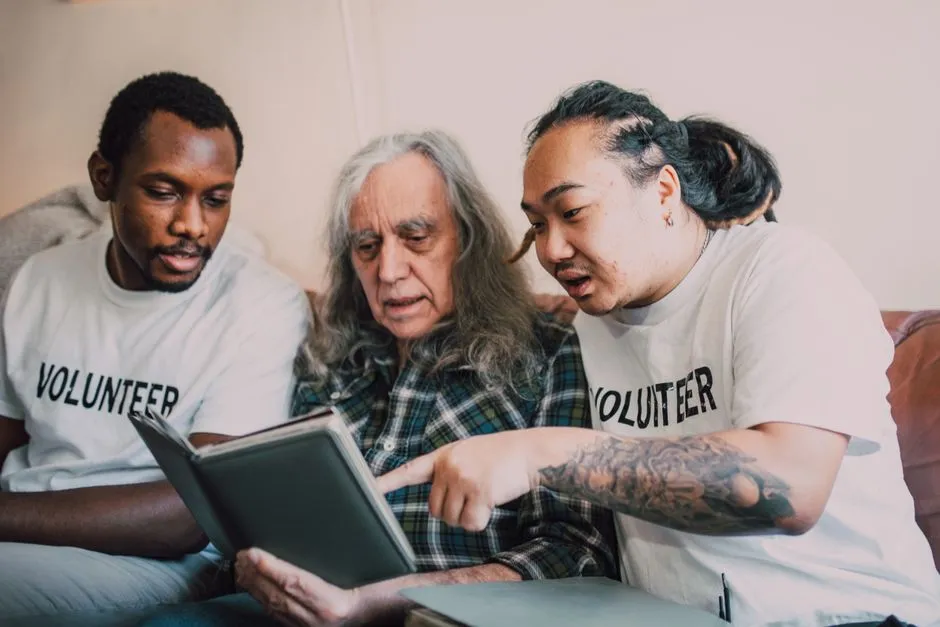
Match the thanks to the person and the work
Volunteer recognition should be specific, accurate, timely, and suited to the recipient's preferences. Name the contribution and why it mattered without exaggerating results, disclosing private information, or implying another commitment. A specific sentence about a contribution is often more useful than a generic award.
Safeguarding concerns must use an actionable statutory route for the affected person's location. Do not investigate, test credibility, or decide internally whether a concern warrants a report. Contact local emergency services if anyone is in immediate danger. In England, use GOV.UK's child-abuse reporting service for a child or young person. For an adult who may have care and support needs and be at risk of abuse or neglect, use GOV.UK's local-council finder, open that council's official website, and find its adult-safeguarding report form or phone number. Outside England, search the official government website for "report child abuse" or "adult safeguarding report concern" plus the person's location, then use the published statutory form or phone number. An internal notice may occur in parallel but must not delay external reporting.
Ask how people prefer to be recognized
Include recognition preferences during onboarding or check-ins: public name, private note, team thanks, certificate, reference, skill record, or no formal recognition. Confirm consent before using names, photographs, stories, quotes, or personal details.
Preferences can change. A volunteer may accept internal thanks but not a public post. Consent, privacy, and safeguarding duties vary by jurisdiction, especially for children and adults at risk. Before publication, confirm the applicable duties on official government and national data-protection regulator websites and obtain qualified advice where needed.
Be specific and truthful
Describe the actual action: reorganizing the sign-in process, covering an approved shift, translating a guide, checking access needs, or training a new team member. Connect it to an observed outcome without inventing numbers or claiming causation the group cannot prove.
Avoid superlatives that create competition or erase collective work. “Always,” “single-handedly,” and “the reason we succeeded” are rarely accurate in a shared project.
Separate appreciation from reward promises
If offering gifts, expenses, vouchers, meals, awards, or benefits, confirm the budget, approval, tax, legal, employment-status, accessibility, and equity implications through qualified local guidance. Document what is available and apply criteria consistently.
Do not announce a reward before the organization knows it can lawfully and fairly provide it.
Recognize invisible work
Notice planning, cleanup, administration, mentoring, follow-up, accessibility preparation, and calm problem prevention—not only public-facing moments. Ask teams whose labor is regularly missing from reports.
Pair thanks with workload correction. If one person repeatedly covers understaffed events, the organization should change staffing and role limits.
Preventing burnout makes appreciation credible by removing unnecessary strain.
Give useful records
When requested and appropriate, provide an accurate confirmation of role, dates, tasks, training completed, and demonstrated contribution. Do not fabricate hours, credentials, titles, or performance claims. Follow privacy policy and obtain authorization for references.
Keep recognition free of obligation
Thank the completed contribution without attaching “and of course we will see you next month.” Ask separately about future availability and accept refusal.
Our guide to retaining volunteers without guilt keeps appreciation from becoming a velvet rope around the exit.
Invite corrections
Before a public acknowledgment, let the volunteer check name, pronouns, role, photograph, and description. Correct errors quickly and remove material when required by consent, policy, or law.
Use feedback conversations to learn whether recognition feels fair across the team. Thoughtful thanks sees the person, names the work, and ends with gratitude—not a concealed renewal form.
Review recognition across visible and less visible jobs. Keep a simple record so recognition includes visible and less visible contributions. Ask coordinators to notice preparation, translation, transport, cleaning, mentoring, administration, and steady backup work. Fair recognition is not identical recognition; it is attention broad enough to see how the whole effort happened.